Nutritional Myths Debunked
Many women encounter various myths surrounding nutrition that can hinder their health and fitness journey. Understanding these misconceptions is crucial for making informed dietary choices. Common myths include the belief that carbohydrates are always bad or that skipping meals leads to weight loss.
For instance, carbohydrates are essential for energy, especially for those who engage in regular workouts. Similarly, skipping meals can lead to overeating later in the day, counteracting weight loss efforts. By debunking these myths, women can adopt healthier eating habits that support their fitness goals.
The Importance of Hydration
Hydration plays a vital role in overall health, particularly for women involved in fitness. Adequate water intake supports metabolic processes, aids digestion, and enhances physical performance. Many women underestimate the amount of water they need daily.
Research suggests that women should aim for at least 2.7 liters of total water intake per day, which includes all beverages and food sources. Staying hydrated can improve energy levels, concentration, and recovery post-exercise, making it a fundamental aspect of any nutrition plan.
Understanding Macronutrients
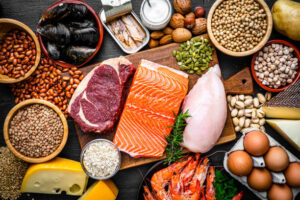
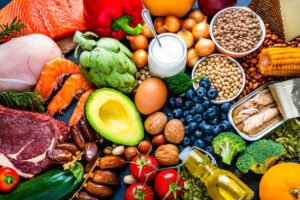
Macronutrients—proteins, fats, and carbohydrates—are the building blocks of a balanced diet. For women, understanding how to properly balance these macronutrients can significantly impact their fitness and health outcomes. Each macronutrient plays a unique role in the body, contributing to energy levels, muscle recovery, and overall well-being.
For example, protein is crucial for muscle repair and growth, while healthy fats support hormone production and nutrient absorption. Carbohydrates provide the necessary fuel for workouts. Learning to balance these macronutrients can empower women to make dietary choices that align with their fitness objectives.
Meal Prep Tips for Success
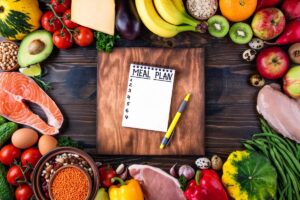
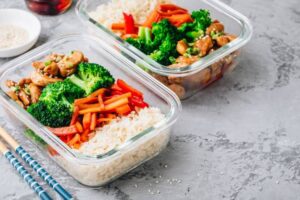
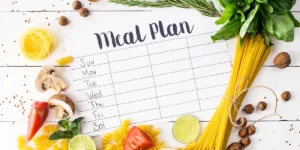
Meal prepping can be a game-changer for women looking to maintain a healthy diet amidst busy schedules. By planning and preparing meals in advance, individuals can save time and ensure they have nutritious options readily available. This practice can also help control portion sizes and reduce the temptation of unhealthy snacks.
Effective meal prep involves selecting recipes that are easy to prepare in bulk, using containers for portioning, and incorporating a variety of foods to keep meals interesting. For instance, preparing grilled chicken, roasted vegetables, and quinoa can provide a balanced meal that can be enjoyed throughout the week, supporting both health and fitness goals.