Frequently Asked Questions
How to become a personal trainer in GA?
To become a personal trainer in GA, you must obtain a nationally recognized certification, complete any necessary state requirements, and gain practical experience, often through internships or entry-level positions in fitness environments.
How to become a personal trainer in Georgia?
Becoming a personal trainer in Georgia involves obtaining a certification from a recognized organization, completing any required education or training programs, and gaining hands-on experience through internships or practical sessions to enhance your skills.
Is it worth it to hire a personal trainer?
Hiring a personal trainer is worth it for those seeking personalized guidance, motivation, and tailored workout plans, especially if you're looking to achieve specific fitness goals or maximize your results effectively.
How much does a personal trainer cost in Georgia?
The cost of a personal trainer in Georgia typically ranges from $30 to $100 per session, depending on the trainer's experience, location, and the type of training offered.
What qualifications are needed for personal trainers?
The qualifications needed for personal trainers include a certification from an accredited fitness organization, a strong understanding of anatomy and exercise science, and often first aid and CPR certifications to ensure client safety.
How long does personal trainer certification take?
The duration for obtaining personal trainer certification typically ranges from a few months to a year, depending on the program and individual pace of study. Most programs require completion of coursework and practical training to achieve certification.
What skills should a personal trainer have?
The skills a personal trainer should have include strong communication, motivation, and empathy, alongside expertise in exercise science and nutrition. These skills help trainers create effective, personalized fitness programs that support clients' goals and foster a positive training environment.
Are there specialized courses for women trainers?
Specialized courses for women trainers are indeed available, focusing on female-specific fitness needs and techniques. These programs equip trainers with the skills to effectively support women in achieving their health and fitness goals.
What is the average salary of personal trainers?
The average salary of personal trainers varies widely based on factors such as location, experience, and working environment. Generally, personal trainers earn between $40,000 and $70,000 annually, with many opportunities for increased earnings through client retention and specialized certifications.
How can I market my personal training services?
Marketing your personal training services effectively involves utilizing social media, establishing a professional website, offering free workshops, and building a local community presence to attract and engage potential clients. Consider showcasing client transformations and testimonials to build credibility.
What are the top certifications for trainers?
The top certifications for trainers include the National Academy of Sports Medicine (NASM), American Council on Exercise (ACE), and National Strength and Conditioning Association (NSCA). These certifications ensure trainers are well-equipped to design effective fitness programs.
How to choose a personal trainer wisely?
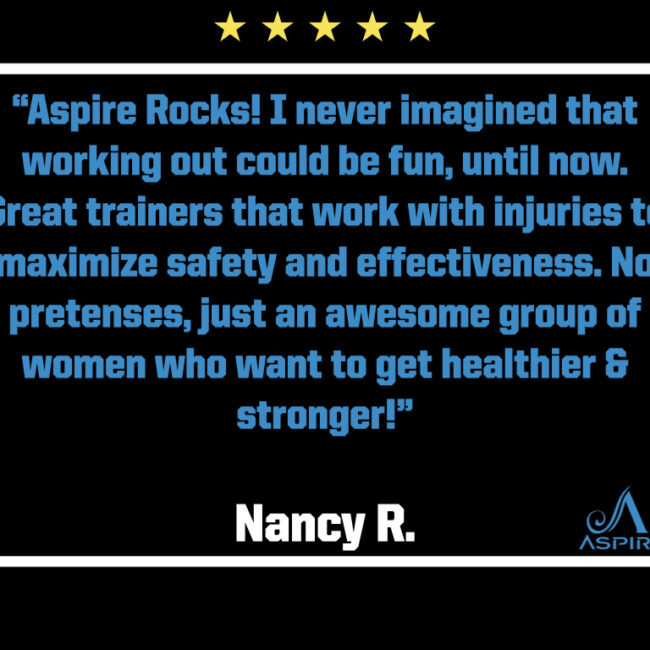
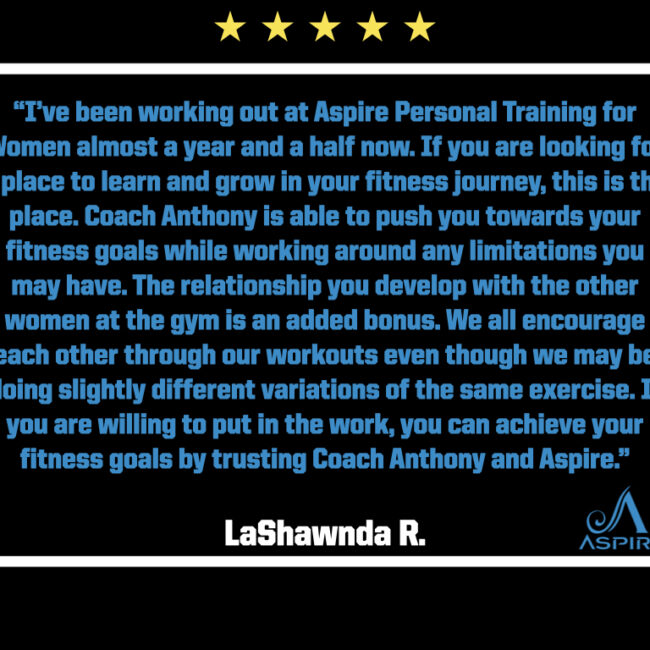
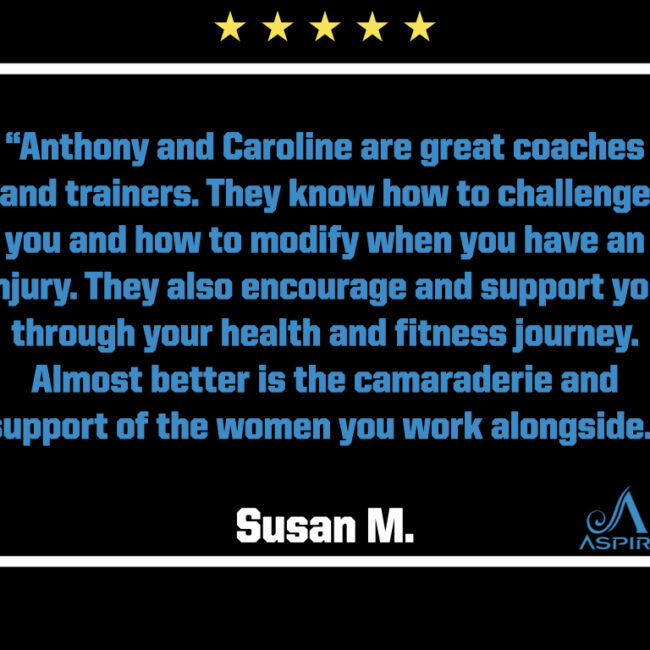
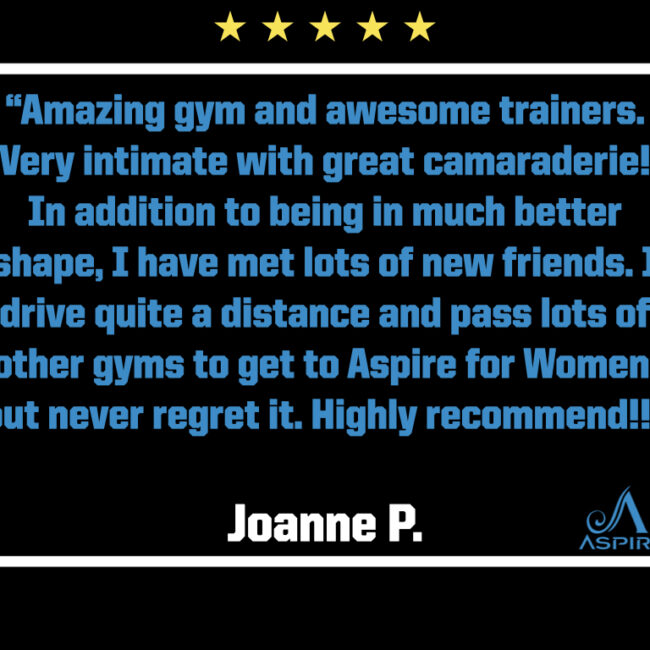
Choosing a personal trainer wisely involves evaluating their qualifications, experience, and communication style. Look for trainers who specialize in women’s fitness, have positive client testimonials, and prioritize your personal goals for a supportive training experience.
What unique challenges do female trainers face?
Female trainers face unique challenges such as overcoming gender stereotypes in a male-dominated industry, navigating societal expectations about women's bodies, and building credibility with clients who may have preconceived notions about their capabilities.
How does experience impact personal trainer rates?
Experience significantly impacts personal trainer rates. Generally, trainers with more experience command higher rates due to their proven track record, specialized knowledge, and ability to deliver effective, tailored fitness programs.
What factors influence personal trainer pricing?
The factors that influence personal trainer pricing include the trainer's experience, certifications, location, session duration, and the type of training provided. Additionally, package deals and specialty programs may also affect overall costs.
How to effectively retain personal training clients?
Effectively retaining personal training clients involves building strong relationships, personalizing programs, and regularly tracking progress. Consistent communication, motivating support, and creating an engaging community can also enhance client loyalty and satisfaction.
What are common mistakes new trainers make?
Common mistakes new trainers make include failing to establish clear goals for clients, neglecting individual fitness levels and needs, overcomplicating programs, and not emphasizing proper form, which can lead to injuries and hinder progress.
Can personal trainers offer online coaching services?
Personal trainers can indeed offer online coaching services. This allows them to provide personalized fitness guidance and support remotely, making it accessible for clients regardless of location.
What are the benefits of hiring a trainer?
The benefits of hiring a trainer include personalized fitness programs tailored to your goals, expert guidance on proper techniques, accountability to keep you motivated, and support in overcoming challenges, ensuring a more effective and enjoyable fitness journey.
How to set fitness goals with a trainer?
Setting fitness goals with a trainer involves identifying your personal objectives, discussing any challenges, and creating a tailored plan. Your trainer will guide you in establishing realistic, measurable goals to track your progress effectively.
What should I look for in a trainer?
What to look for in a trainer includes their experience with women’s fitness, personalized approach, positive communication style, and certification. A good trainer should inspire and empower you to achieve your fitness goals effectively.
How can trainers help with weight loss?
Trainers can significantly aid in weight loss by providing personalized workout plans, nutritional guidance, and motivation tailored to the individual’s goals. They also track progress and adjust programs to ensure clients stay on track and achieve sustainable results.
What role does nutrition play in training?
Nutrition plays a crucial role in training by providing the essential nutrients and energy needed for optimal performance and recovery. It supports muscle growth, enhances endurance, and helps prevent injury, making it a key component of any effective fitness program.
How to track progress with a personal trainer?
Tracking progress with a personal trainer involves assessing your fitness goals, regularly measuring key metrics such as strength, endurance, and body composition, and discussing these results during sessions to adjust your training plan as needed.
What is included in a personal training package?
A personal training package includes personalized fitness assessments, tailored workout plans, nutrition guidance, and ongoing support from a certified trainer, ensuring a comprehensive approach to achieving your fitness goals.
How often should I meet with my trainer?
The frequency of meeting with your trainer depends on your personal goals and schedule. Generally, meeting 1-3 times per week can provide optimal results and guidance, ensuring you stay motivated and on track with your fitness journey.
What types of training programs do trainers offer?
The types of training programs offered by our trainers include strength training, weight loss programs, group fitness classes, and personalized workout plans tailored specifically for women, all designed to support diverse fitness goals and lifestyles.
What methods do trainers use for motivation?
Trainers use various methods for motivation, including personalized goal-setting, positive reinforcement, progress tracking, and creating supportive group dynamics to empower women throughout their fitness journey at Aspire Personal Training for Women.
How do trainers tailor sessions for clients?
Trainers tailor sessions for clients by assessing individual fitness levels, goals, and preferences, then creating personalized programs that adapt to progress and ensure optimal results through targeted exercises and supportive coaching.
What equipment do personal trainers typically use?
Personal trainers typically use a variety of equipment to enhance workouts, including free weights (dumbbells and kettlebells), resistance bands, medicine balls, stability balls, foam rollers, and cardio machines. This equipment helps to facilitate strength training, flexibility, and cardiovascular fitness tailored to individual client needs.
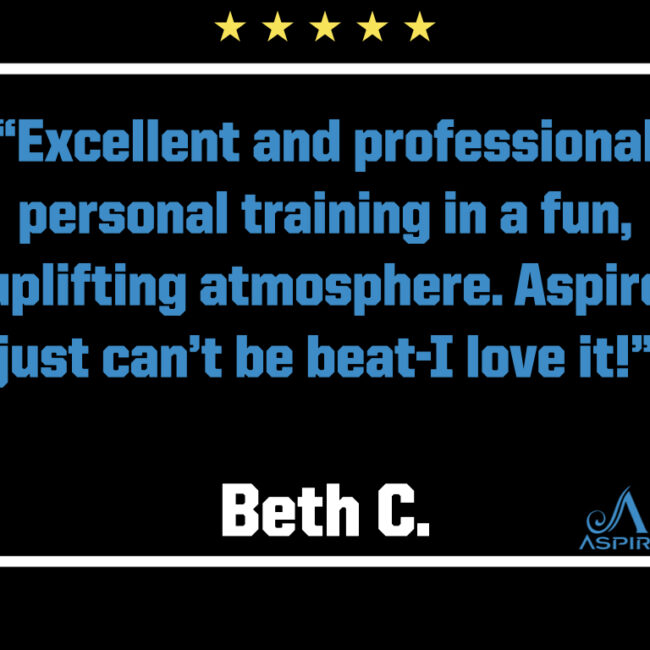
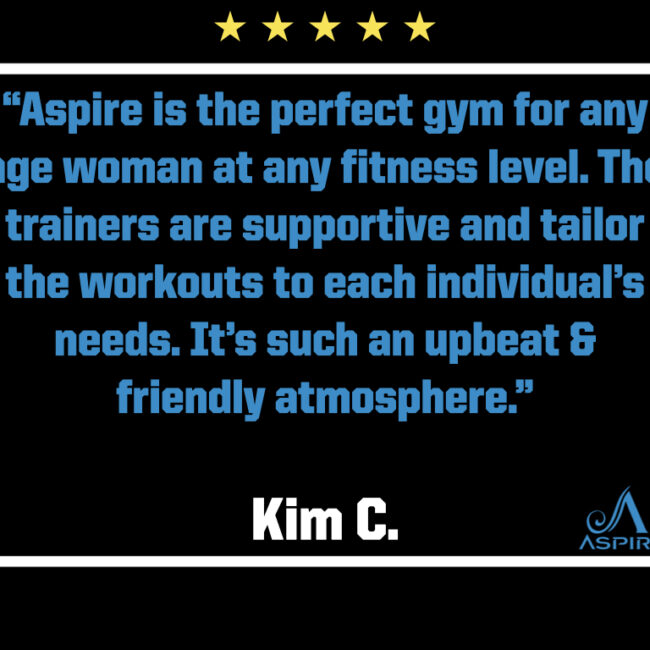
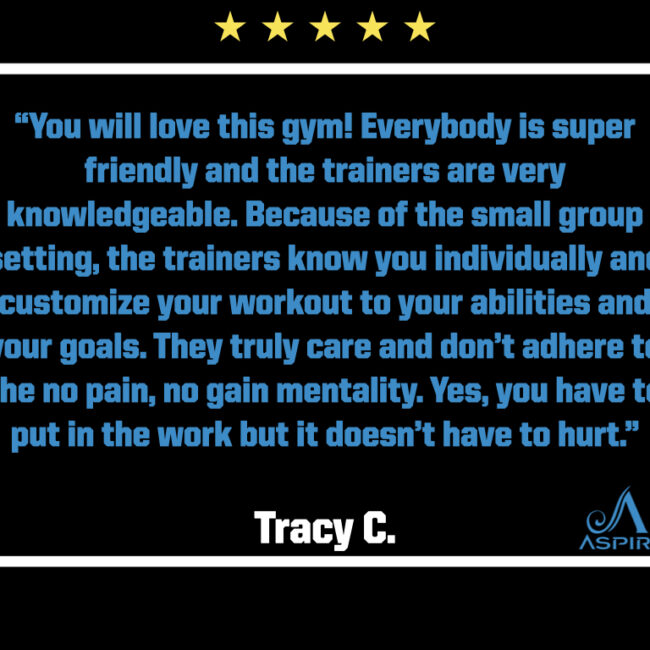
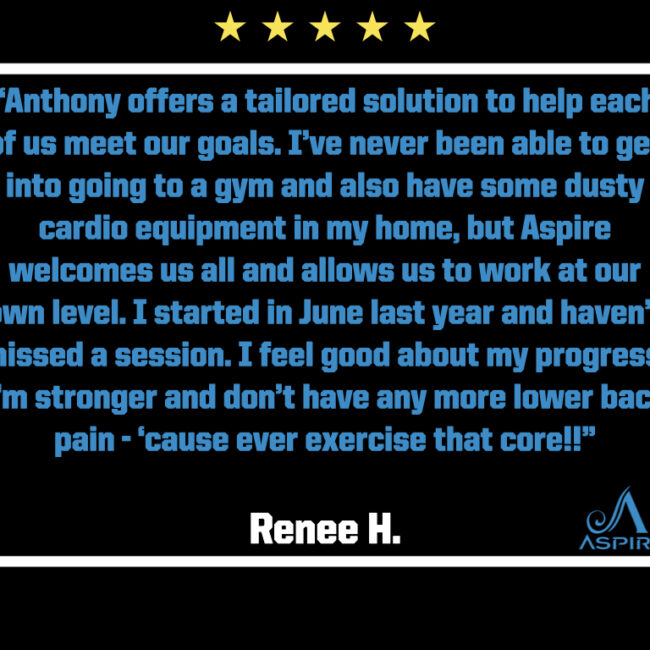
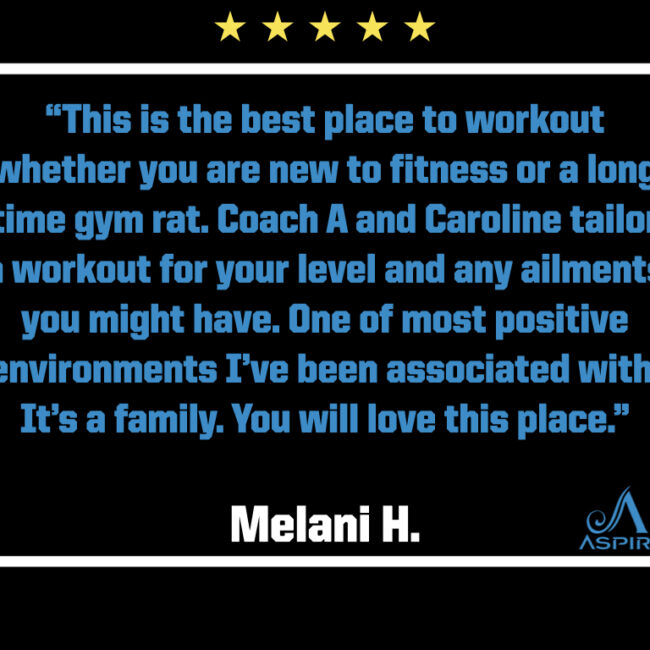
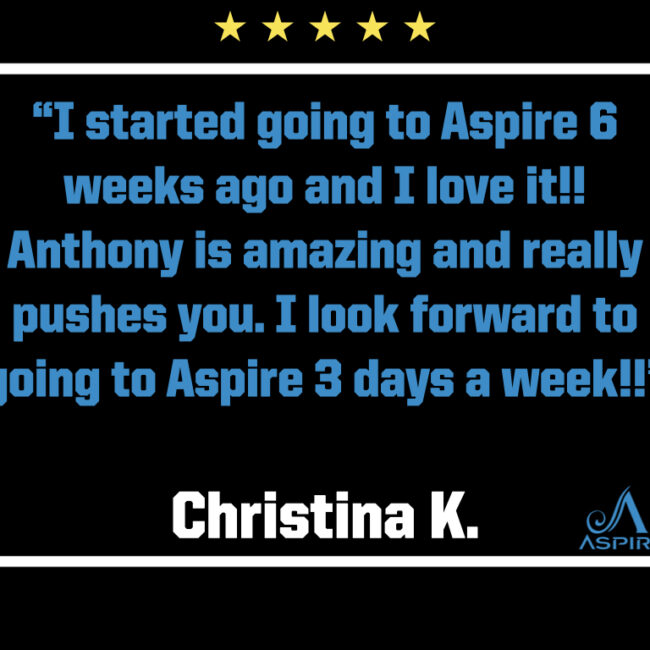
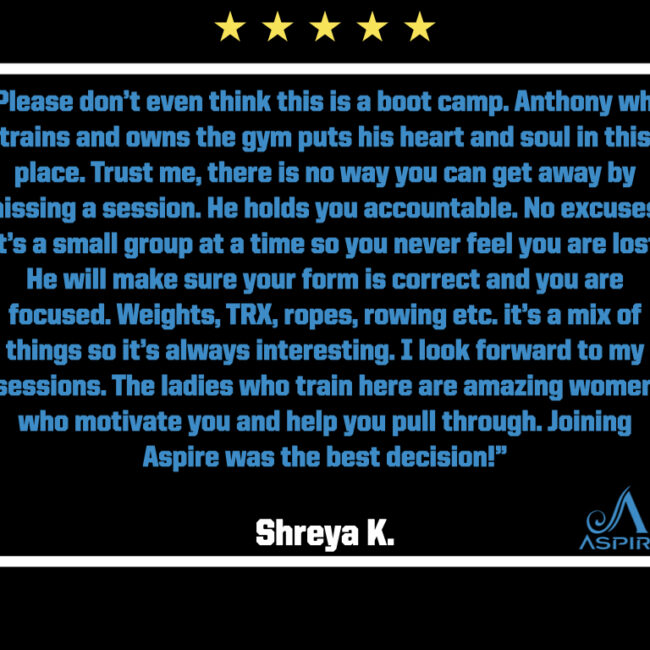
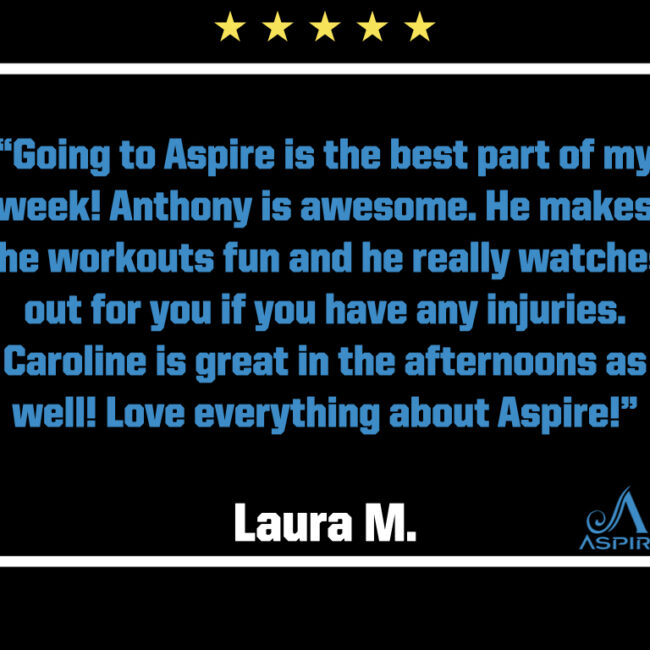
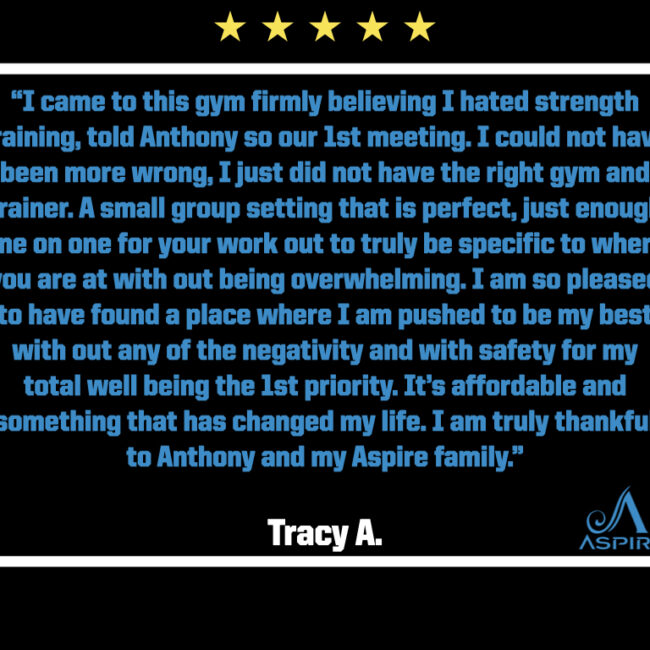
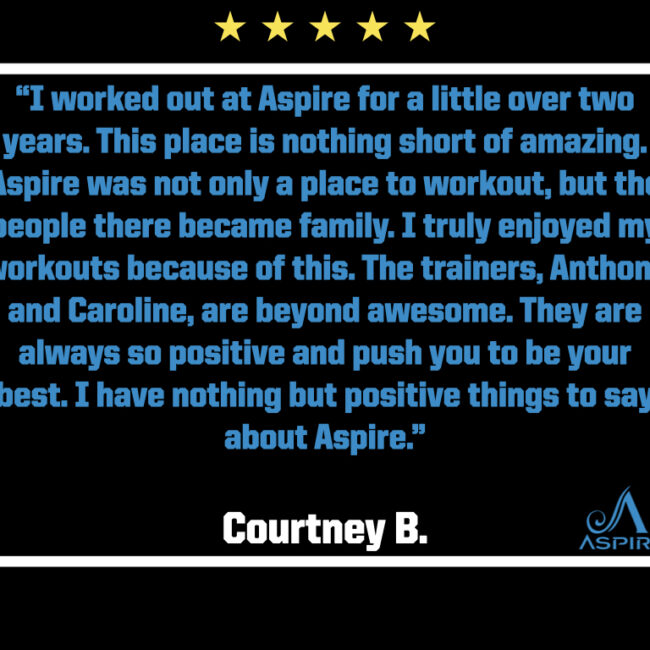
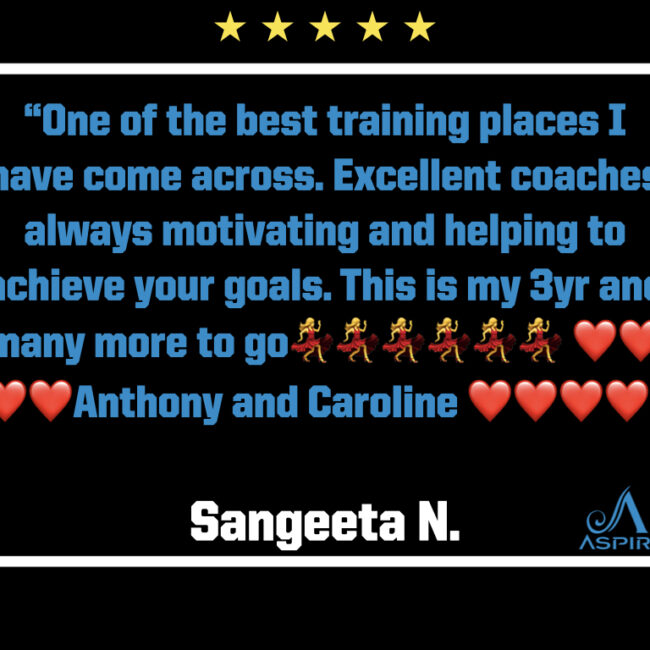
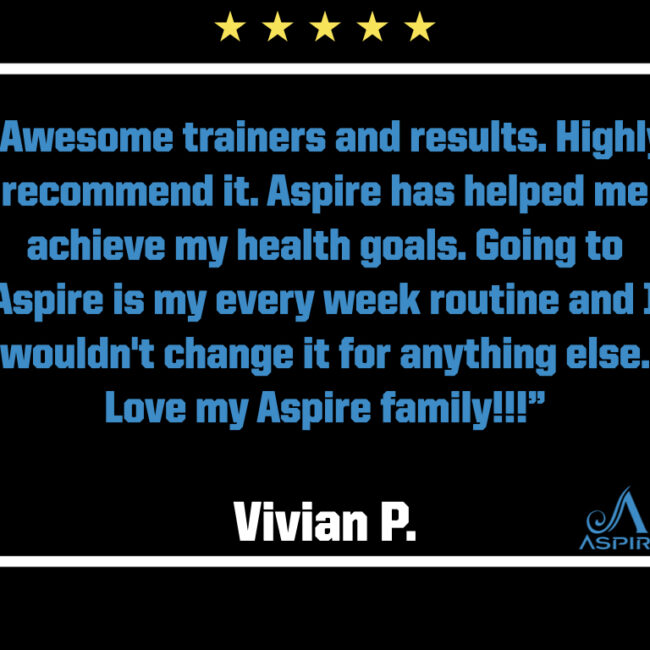
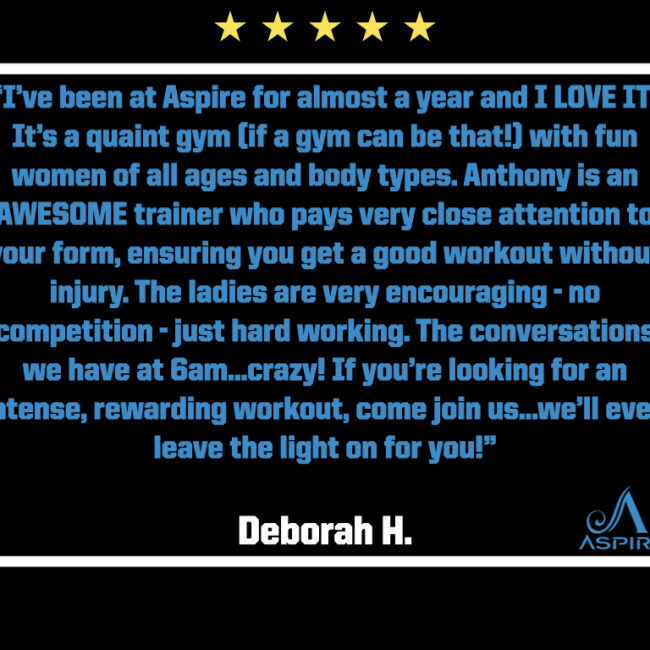
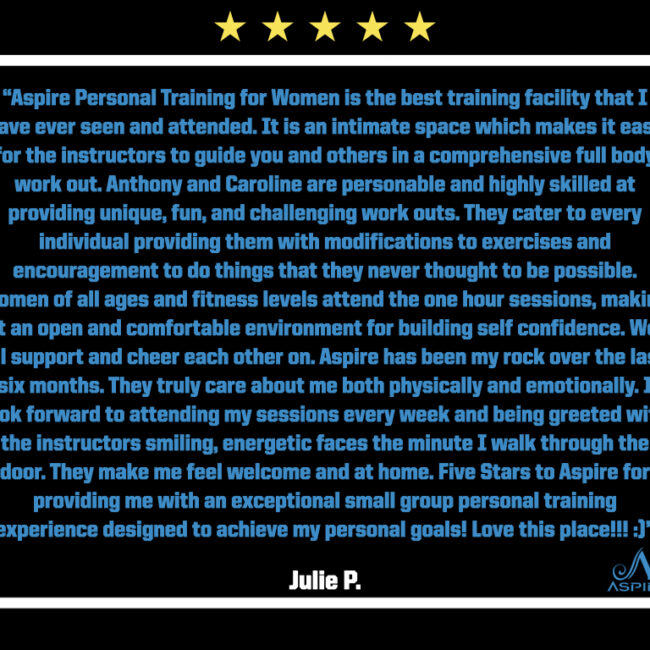
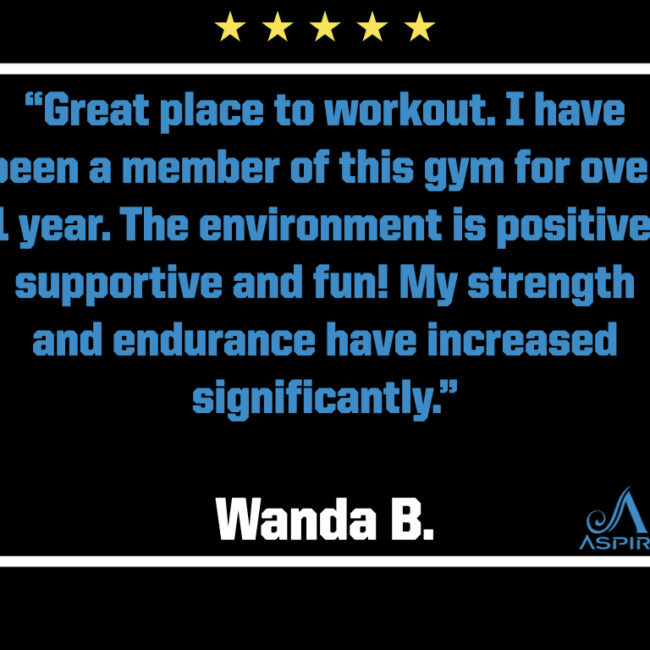
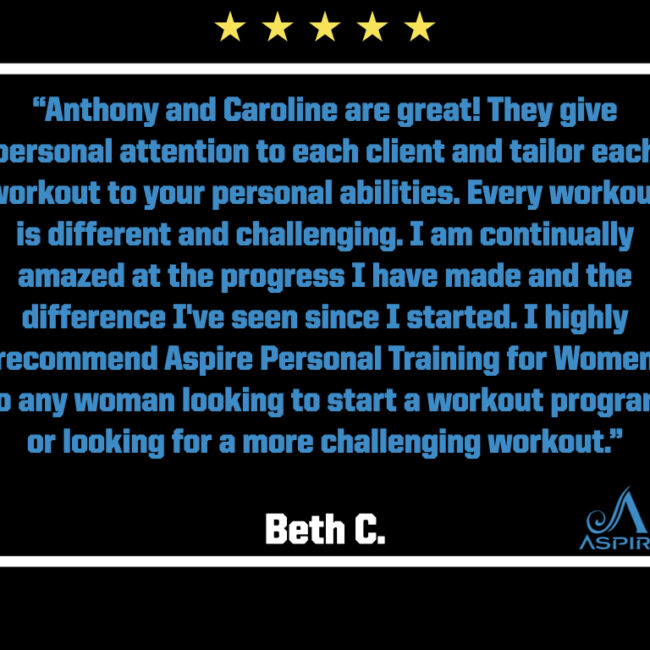
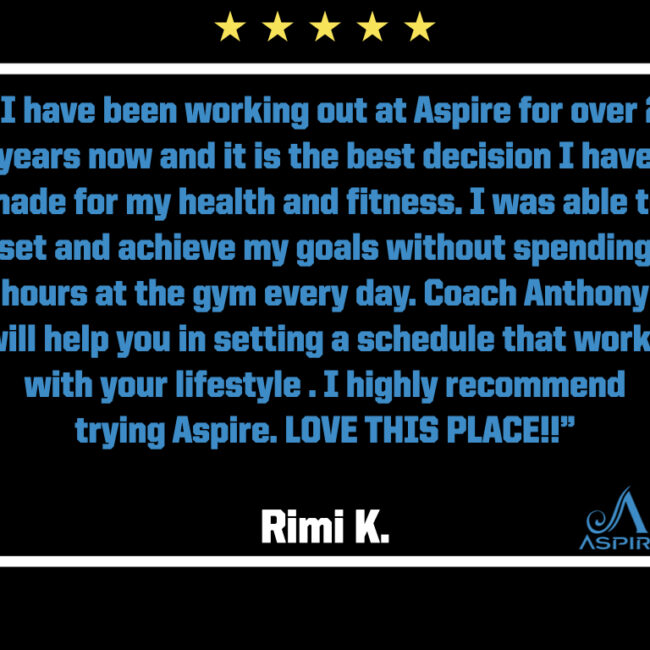
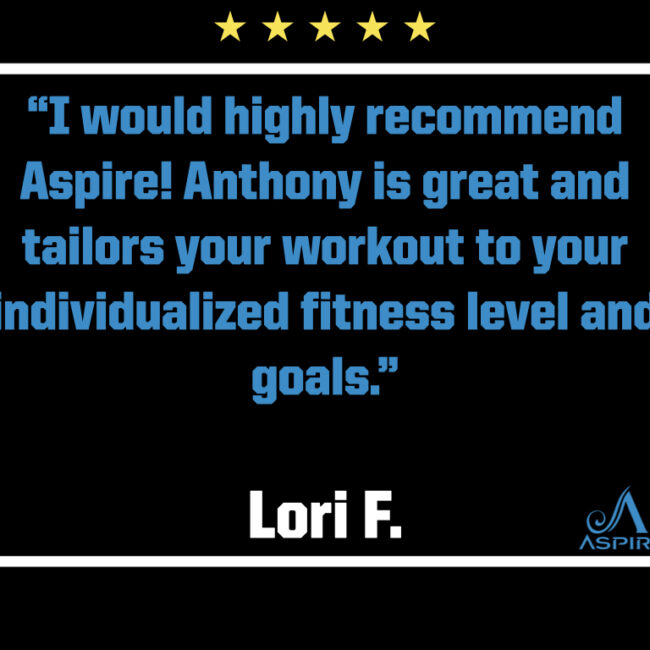
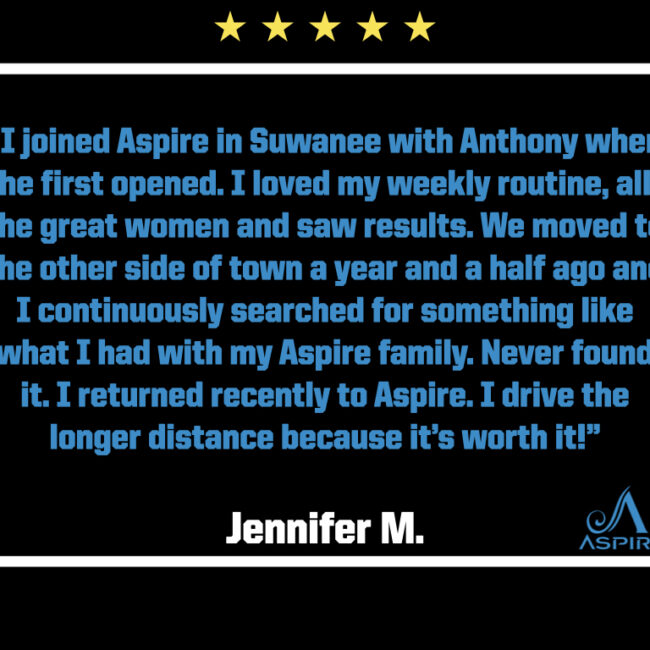
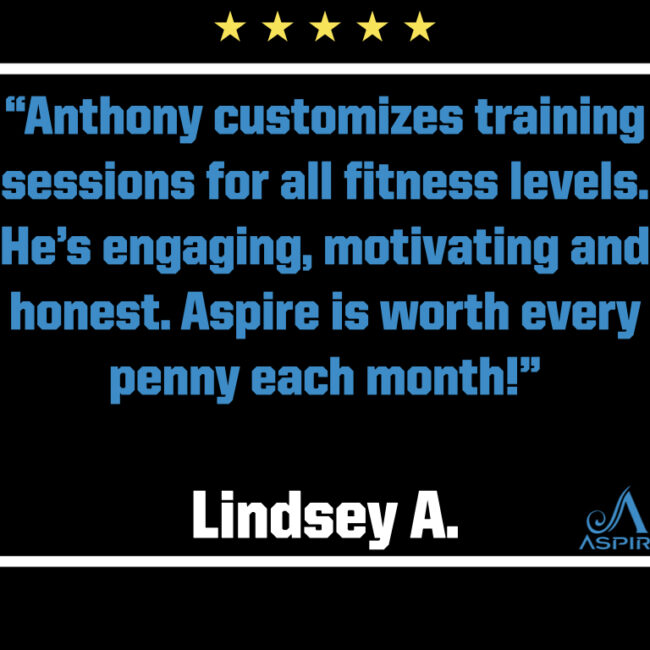
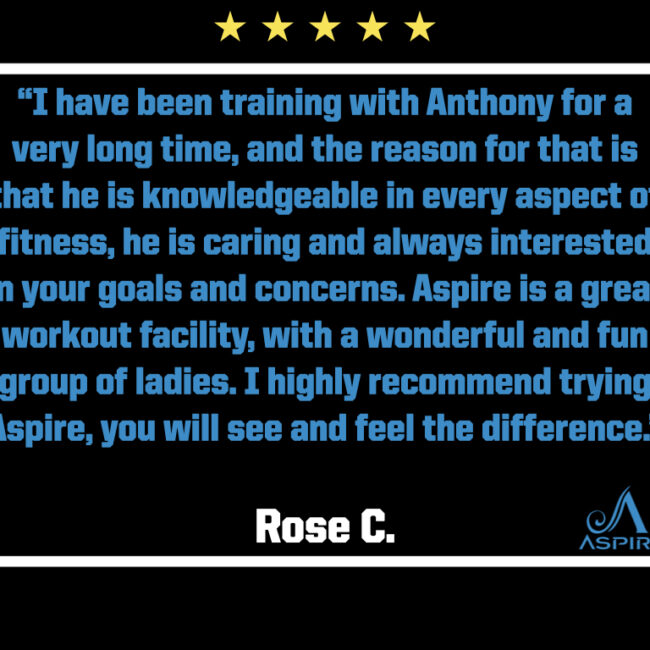
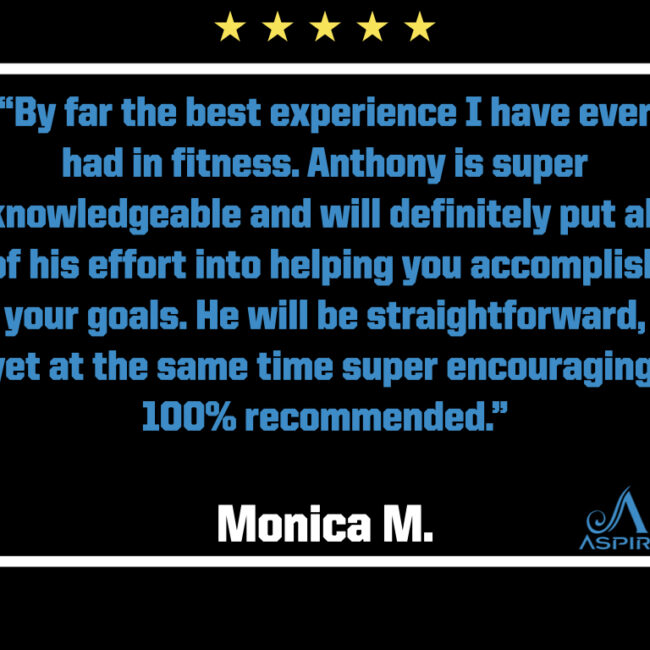
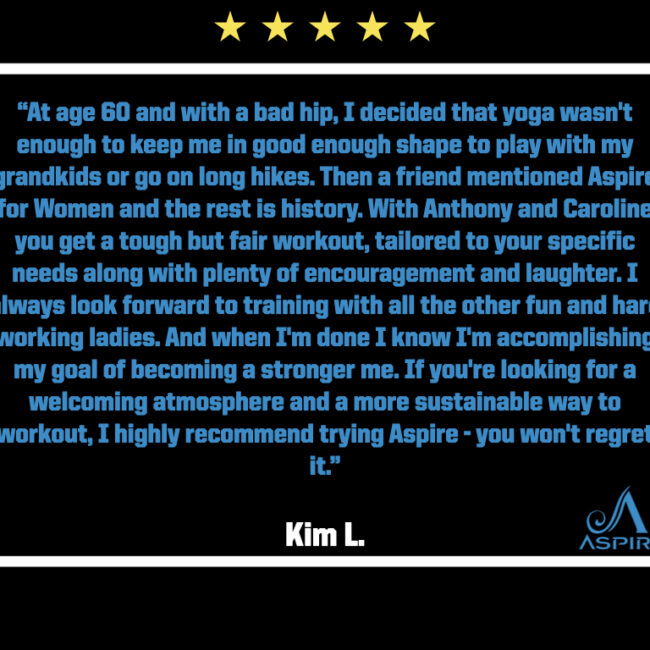
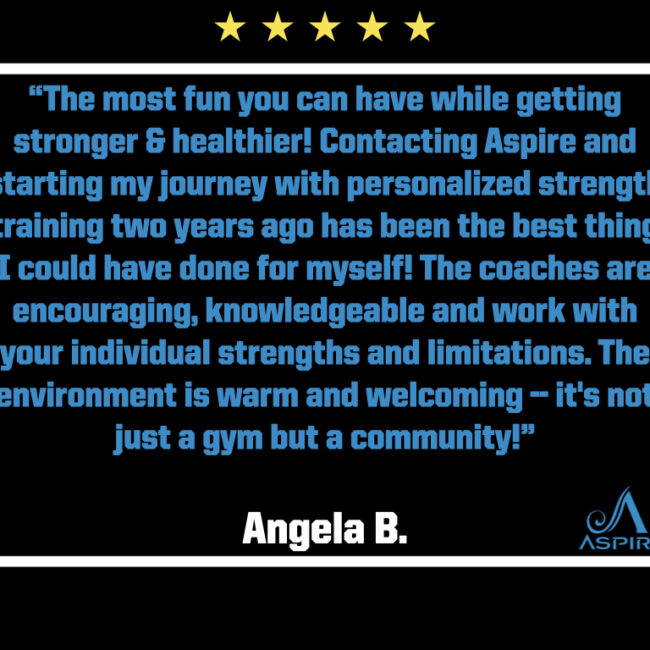
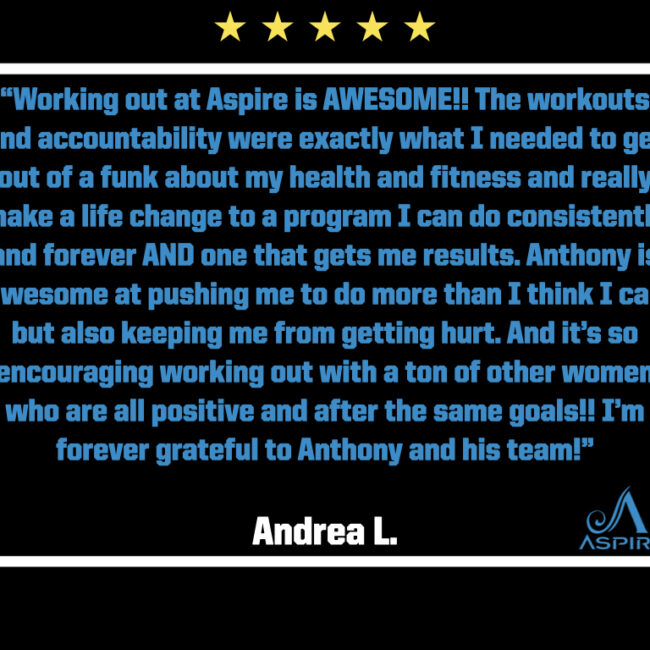
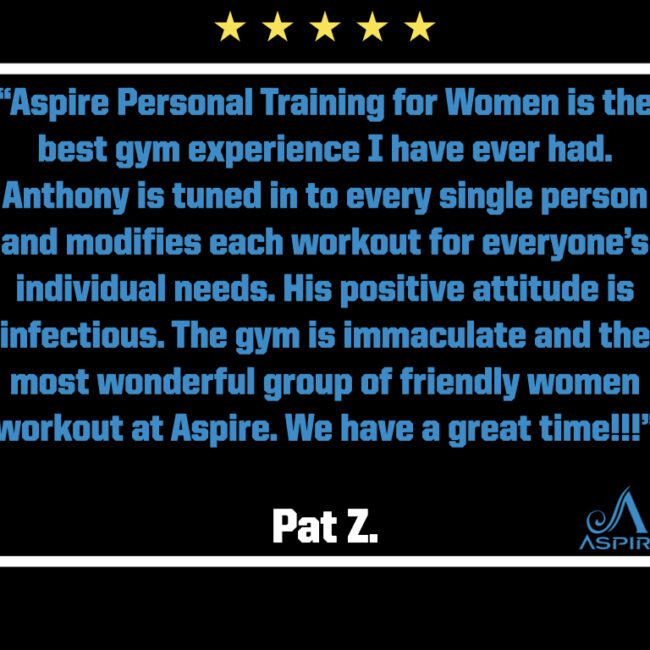
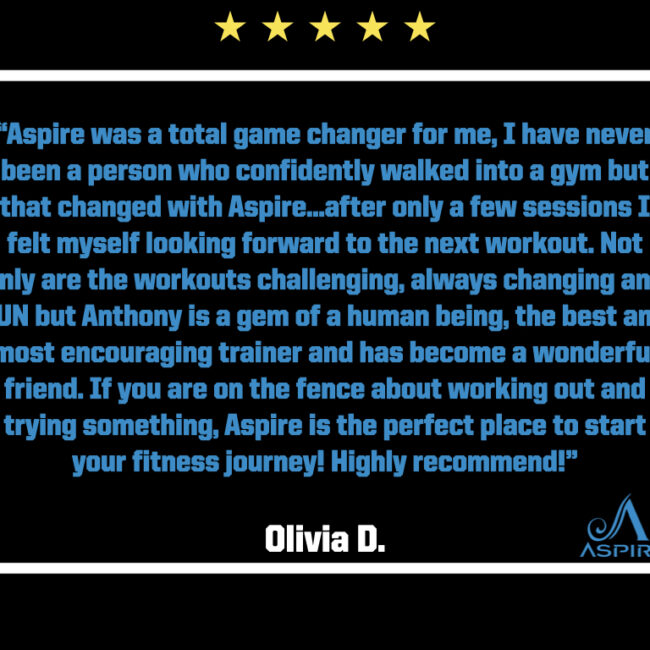
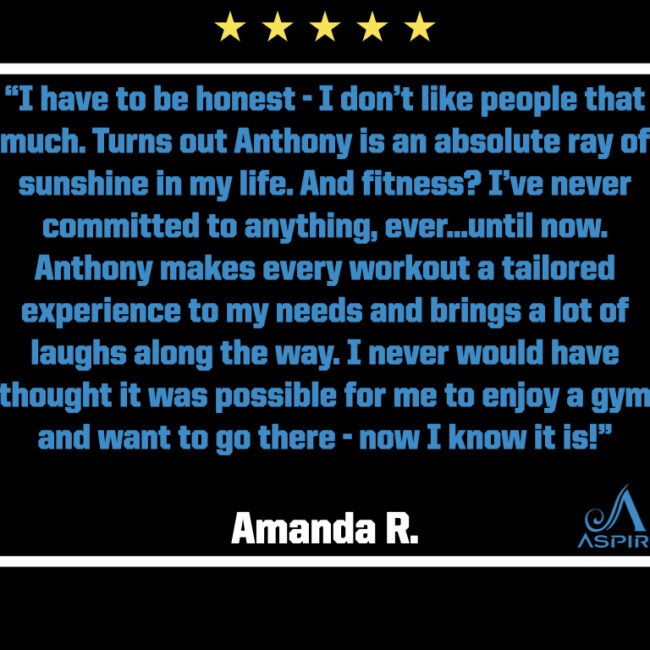
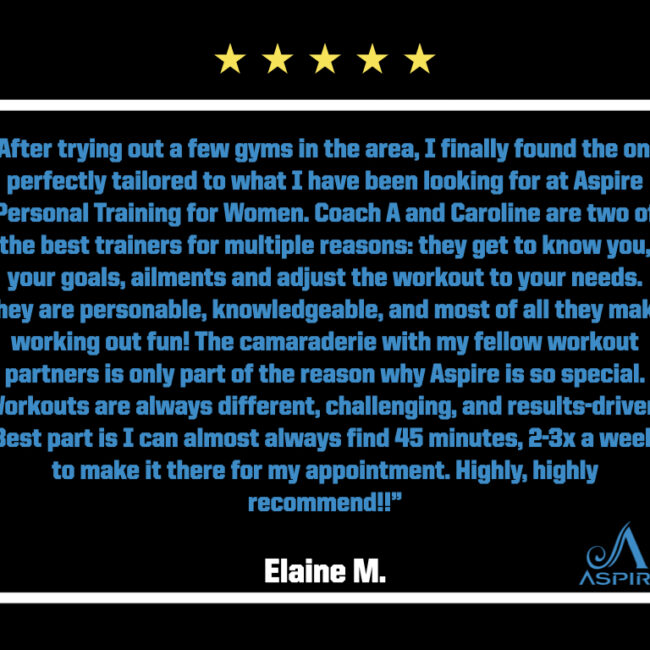
![Image [1]: Five-star rating representing client testimonials and positive reviews for Aspire Personal Training in](https://cdn.trustindex.io/assets/platform/Google/star/f.svg "Results 1")