

Effective Weight Management Nutrition for Women
Effective weight management nutrition is crucial for women, especially those over 40, as it directly impacts overall health and well-being. This article will explore effective meal plans tailored for women, focusing on sustainable eating habits that cater to their unique metabolic needs. Many women face challenges in maintaining a healthy weight due to hormonal changes and lifestyle factors.
By understanding the principles of effective weight management nutrition, women can adopt strategies that promote long-term health and vitality. We will cover the best meal plans, nutrition tips, healthy eating habits, and the synergy between exercise and nutrition.
This individualized approach is critical, as effective weight management often requires strategies that account for unique metabolic and hormonal profiles, moving beyond simplistic models.
Metabolic & Hormonal Variability in Weight Management
The global rise in obesity underscores the need for effective weight management strategies that address individual metabolic and hormonal variability, moving beyond the simplistic “calories in, calories out” model. Body types—ectomorph, mesomorph, and endomorph—provide a framework for understanding the differences in fat storage, muscle development, and energy expenditure, as each type responds uniquely to caloric intake and exercise.
Beyond calories: individual metabolic and hormonal adaptations driving variability in weight management—a state-of-the-art narrative review, N Theodorakis, 2024
What Are the Best Female Weight Loss Meal Plans for Women Over 40?
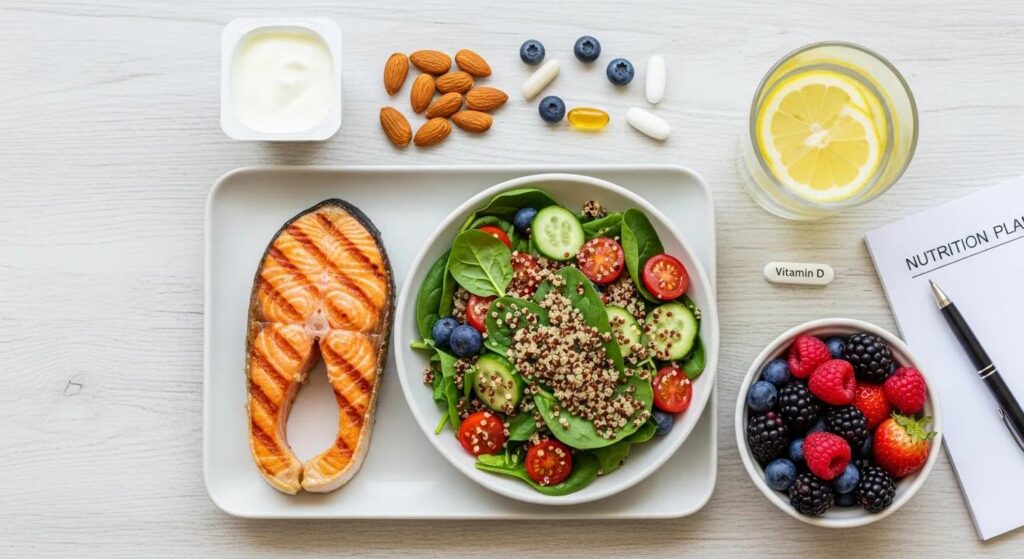
Meal plans designed for women over 40 should consider hormonal changes and metabolic shifts that occur with age. These plans typically emphasize balanced nutrition, incorporating a variety of food groups to ensure adequate nutrient intake while promoting weight loss.
How to Customize Meal Plans for Hormonal Changes and Metabolism
Customizing meal plans for hormonal changes involves understanding how these fluctuations affect metabolism. For instance, women may experience a slower metabolism during menopause, necessitating adjustments in caloric intake and macronutrient distribution. Incorporating more protein can help maintain muscle mass, while healthy fats and fiber-rich carbohydrates support hormonal balance.
Which Balanced Diet Components Support Sustainable Weight Loss?
A balanced diet for sustainable weight loss includes several key components:
- Macronutrients: Adequate protein, healthy fats, and complex carbohydrates are essential for energy and satiety.
- Micronutrients: Vitamins and minerals play a crucial role in metabolic processes and overall health.
- Hydration: Staying hydrated is vital for metabolic function and can aid in appetite control.
These components work together to create a diet that not only supports weight loss but also promotes overall health.
How Can Nutrition Tips for Women Over 40 Improve Weight Management?
Nutrition tips tailored for women over 40 can significantly enhance weight management efforts. These strategies focus on nutrient-dense foods and mindful eating practices that align with changing metabolic needs.
What Role Does Protein Intake Play in Female Metabolism?
Protein intake is vital for women, especially as they age. It helps preserve lean muscle mass, which is essential for maintaining a healthy metabolism. Recommended sources of protein include lean meats, fish, eggs, dairy, legumes, and plant-based proteins. Incorporating protein into every meal can enhance satiety and reduce overall caloric intake.
How Does Menopause Affect Nutritional Needs and Weight?
Menopause brings about significant changes in nutritional needs. Women may require fewer calories due to a decrease in basal metabolic rate. Additionally, hormonal shifts can lead to increased fat storage, particularly around the abdomen. Adjusting dietary patterns to include more whole foods, fiber, and healthy fats can help manage these changes effectively.
Indeed, specific dietary approaches like the Mediterranean diet have been shown to be particularly beneficial during this life stage.
Mediterranean Diet for Menopausal Weight Control
A Mediterranean-style diet during menopause not only supports weight control but also has a role in optimising health concerns such as bone density and cardiovascular health.
Weight loss and prevention of weight gain in menopause, 2025
What Are Healthy Eating Habits for Sustainable Weight Loss in Middle-Aged Women?

Adopting healthy eating habits is crucial for sustainable weight loss. These habits not only support weight management but also contribute to overall health and well-being.
How to Practice Mindful Eating and Portion Control Effectively?
Mindful eating involves paying attention to hunger cues and savoring each bite. Techniques for effective portion control include:
- Using smaller plates to reduce serving sizes.
- Eating slowly to allow time for the body to signal fullness.
- Avoiding distractions during meals to enhance awareness of food intake.
These practices can help prevent overeating and promote a healthier relationship with food.
Which Foods Boost Metabolism and Support Hormonal Balance?
Certain foods can enhance metabolism and support hormonal balance, including:
- Leafy Greens: High in nutrients and low in calories, they support overall health.
- Lean Proteins: Help maintain muscle mass and promote satiety.
- Healthy Fats: Sources like avocados, nuts, and olive oil can support hormonal health.
Incorporating these foods into daily meals can create a balanced diet that supports weight management.
How Do Exercise and Nutrition Work Together for Effective Weight Management?
Exercise and nutrition are interconnected components of effective weight management. A holistic approach that combines both can lead to better health outcomes.
What Personal Training Services Enhance Nutrition Outcomes?
Personal training services, such as those offered by Aspire Personal Training for Women, can enhance nutrition outcomes by providing tailored fitness programs that complement dietary changes. These programs often include personalized nutrition coaching, which focuses on sustainable eating habits and female-specific metabolic needs.
How Does Hydration and Supplementation Support Female Weight Loss?
Hydration plays a critical role in weight loss by supporting metabolic processes and appetite regulation. Additionally, certain supplements can aid in weight management, such as those that promote metabolic health or support hormonal balance. Women should consider their hydration needs and consult healthcare professionals before starting supplementation to ensure safety and effectiveness.
| Component | Role in Weight Management | Recommended Sources |
|---|---|---|
| Protein | Preserves muscle mass | Lean meats, legumes |
| Healthy Fats | Supports hormonal balance | Avocados, nuts, olive oil |
| Fiber | Enhances satiety | Whole grains, fruits |
This table summarizes the essential components of a weight management nutrition plan, highlighting their roles and recommended sources.
In conclusion, effective weight management nutrition for women over 40 involves understanding the unique challenges posed by hormonal changes and metabolic shifts. By adopting customized meal plans, practicing mindful eating, and integrating exercise with nutrition, women can achieve sustainable weight loss and improved health outcomes.
Frequently Asked Questions
What are the key differences in weight management strategies for women under 40 versus those over 40?
Women under 40 often have a more stable hormonal profile, allowing for a wider range of dietary strategies. In contrast, women over 40 experience hormonal fluctuations, particularly during perimenopause and menopause, which can slow metabolism and alter fat distribution. As a result, weight management strategies for older women typically emphasize nutrient-dense foods, higher protein intake, and tailored meal plans that account for these hormonal changes, focusing on sustainable habits rather than quick fixes.
How can stress management impact weight management for women over 40?
Stress can significantly affect weight management, particularly for women over 40. Elevated stress levels can lead to hormonal imbalances, increased cravings for unhealthy foods, and emotional eating. Implementing stress management techniques such as mindfulness, yoga, or regular physical activity can help mitigate these effects. By reducing stress, women can improve their overall well-being and make healthier food choices, ultimately supporting their weight management goals.
What role does sleep play in weight management for women over 40?
Sleep is a critical factor in weight management, especially for women over 40. Poor sleep quality can disrupt hormonal balance, leading to increased appetite and cravings for high-calorie foods. Additionally, inadequate sleep can hinder metabolism and fat loss. Prioritizing good sleep hygiene, such as maintaining a consistent sleep schedule and creating a restful environment, can enhance weight management efforts and improve overall health.
Are there specific dietary supplements recommended for women over 40 to aid weight management?
While a balanced diet should be the primary source of nutrients, certain dietary supplements may support weight management for women over 40. Common recommendations include omega-3 fatty acids for heart health, vitamin D for bone density, and probiotics for gut health. However, it’s essential to consult with a healthcare professional before starting any supplements to ensure they are appropriate for individual health needs and do not interfere with any medications.
How can women over 40 ensure they are getting enough nutrients while managing their weight?
To ensure adequate nutrient intake while managing weight, women over 40 should focus on consuming a variety of whole foods, including fruits, vegetables, lean proteins, whole grains, and healthy fats. Meal planning can help incorporate diverse food groups and prevent nutrient deficiencies. Additionally, tracking food intake can provide insights into nutritional gaps, allowing for adjustments to meet dietary needs without excessive caloric intake.
What are some common misconceptions about weight loss for women over 40?
One common misconception is that weight loss becomes impossible after 40 due to hormonal changes. While hormonal shifts can complicate weight management, they do not make it unattainable. Another myth is that drastic calorie restriction is necessary for weight loss; however, sustainable weight management is more effective with balanced nutrition and regular physical activity. Understanding these misconceptions can empower women to adopt healthier, more effective strategies for weight management.
Conclusion
Effective weight management nutrition for women over 40 is essential for navigating hormonal changes and metabolic shifts, ultimately promoting long-term health and vitality. By adopting customized meal plans, practicing mindful eating, and integrating exercise, women can achieve sustainable weight loss and improved well-being. The insights shared in this article empower women to take control of their health journey. Discover more tailored resources and meal plans to support your weight management goals today.

